Archeology of the body
The installation focuses on the body itself: its perseverance, its vulnerability, its archaeology, and potentially a critique of classical hospital practices. Reading Foucault’s The Birth of the Clinic provided critical insight into the history of medicine. The work also interrogates how the body is analyzed within clinical settings, incorporating medical materials as part of its language and juxtaposing them with discarded materials found on-site and around the building. The building itself thus becomes the body, a body that longs for warmth and insulation, yet anemia prevents this from happening. The blood test results I include are intentionally unreadable, echoing the hermetic language of the clinic.
Just like the Sumerians with their clay tablets, my hands mold a primordial body filled with undeciphered data.

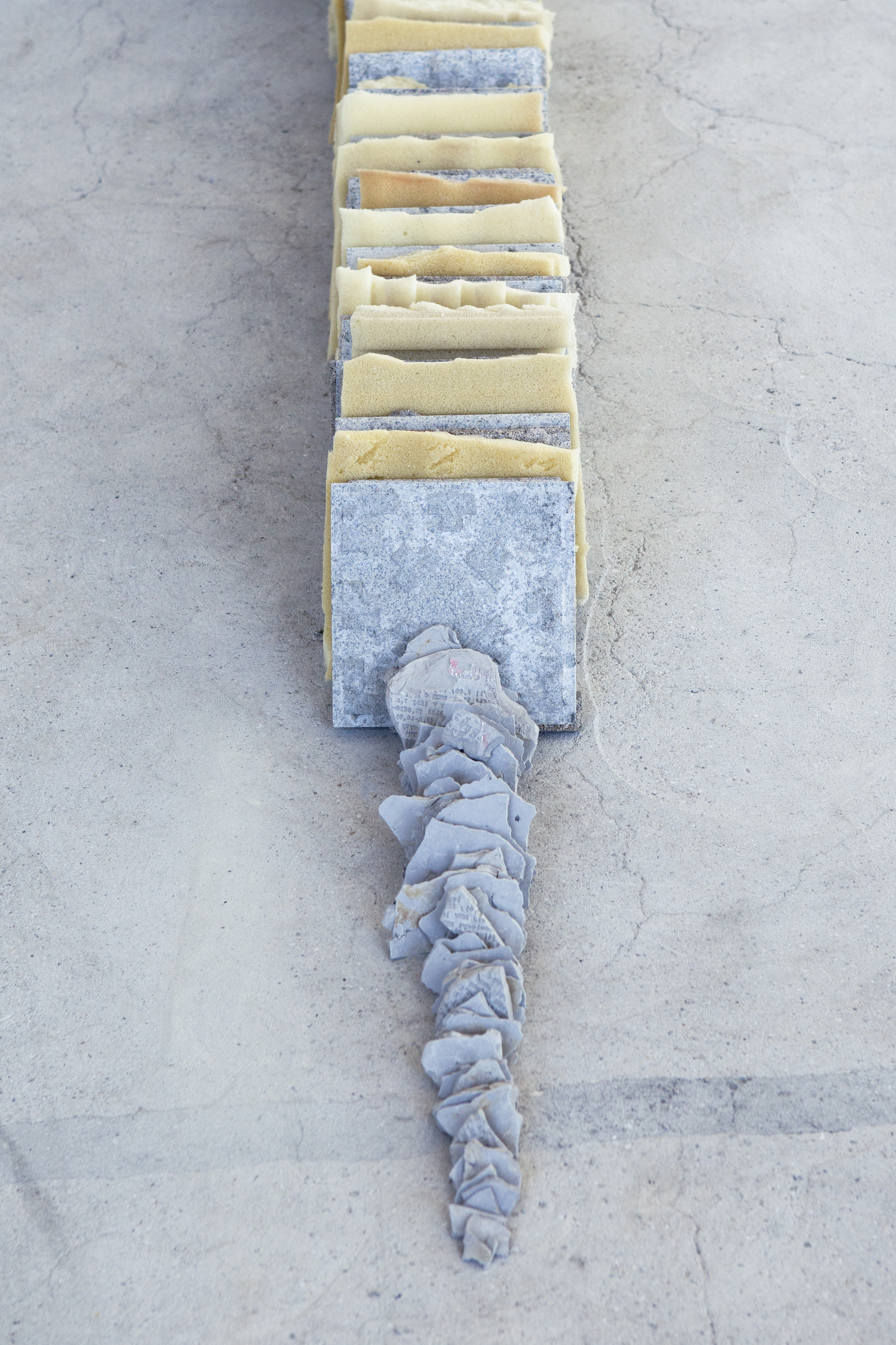

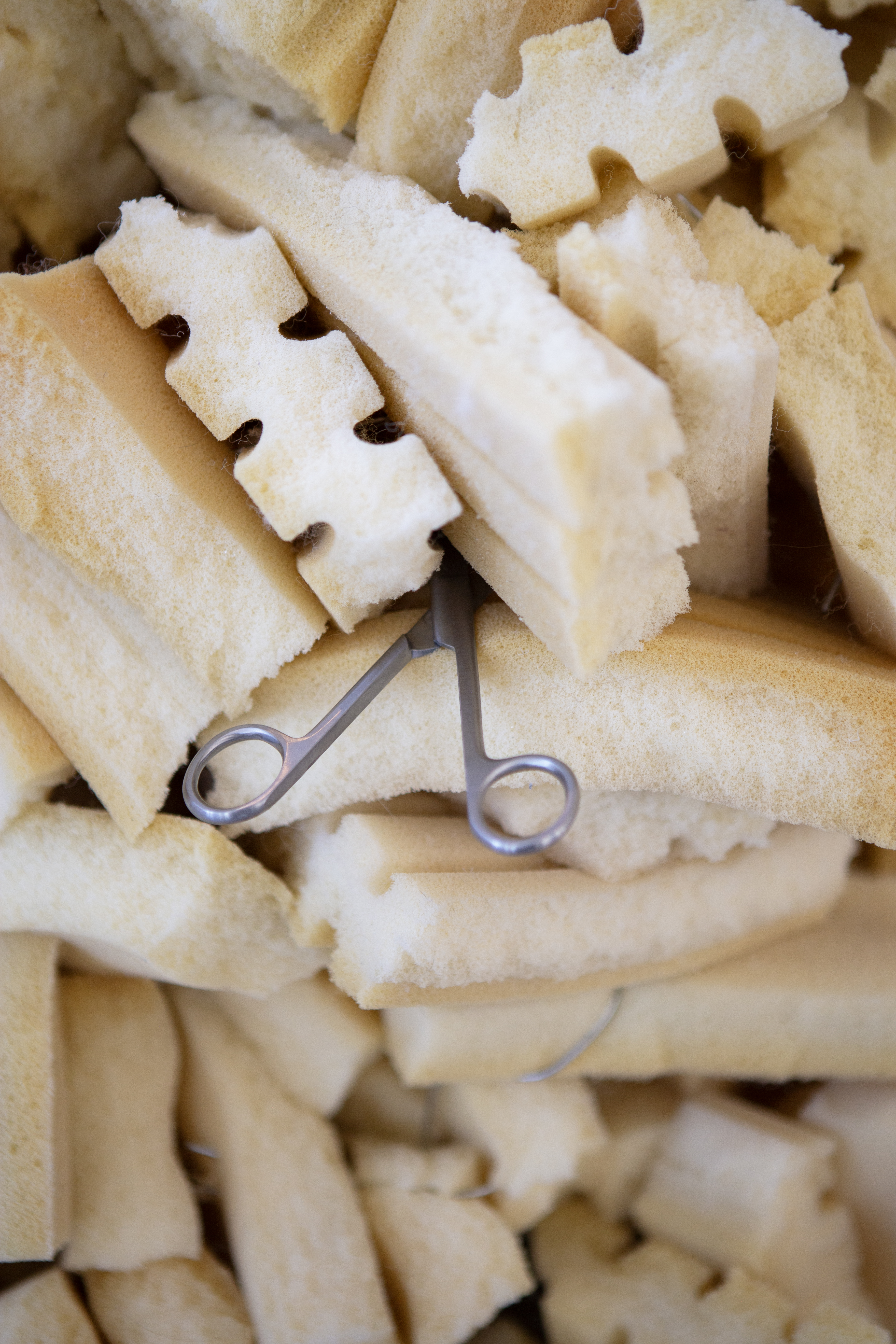


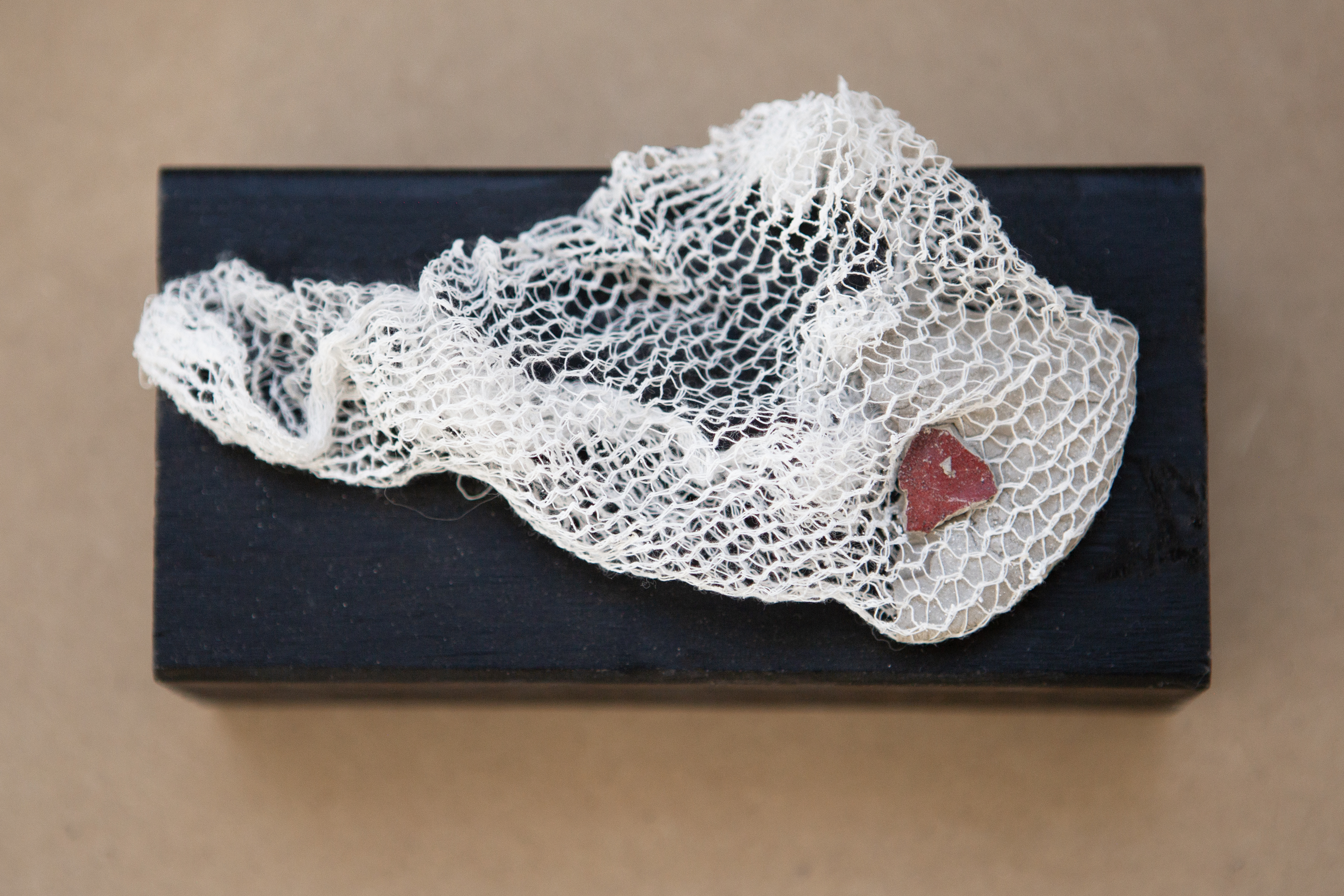
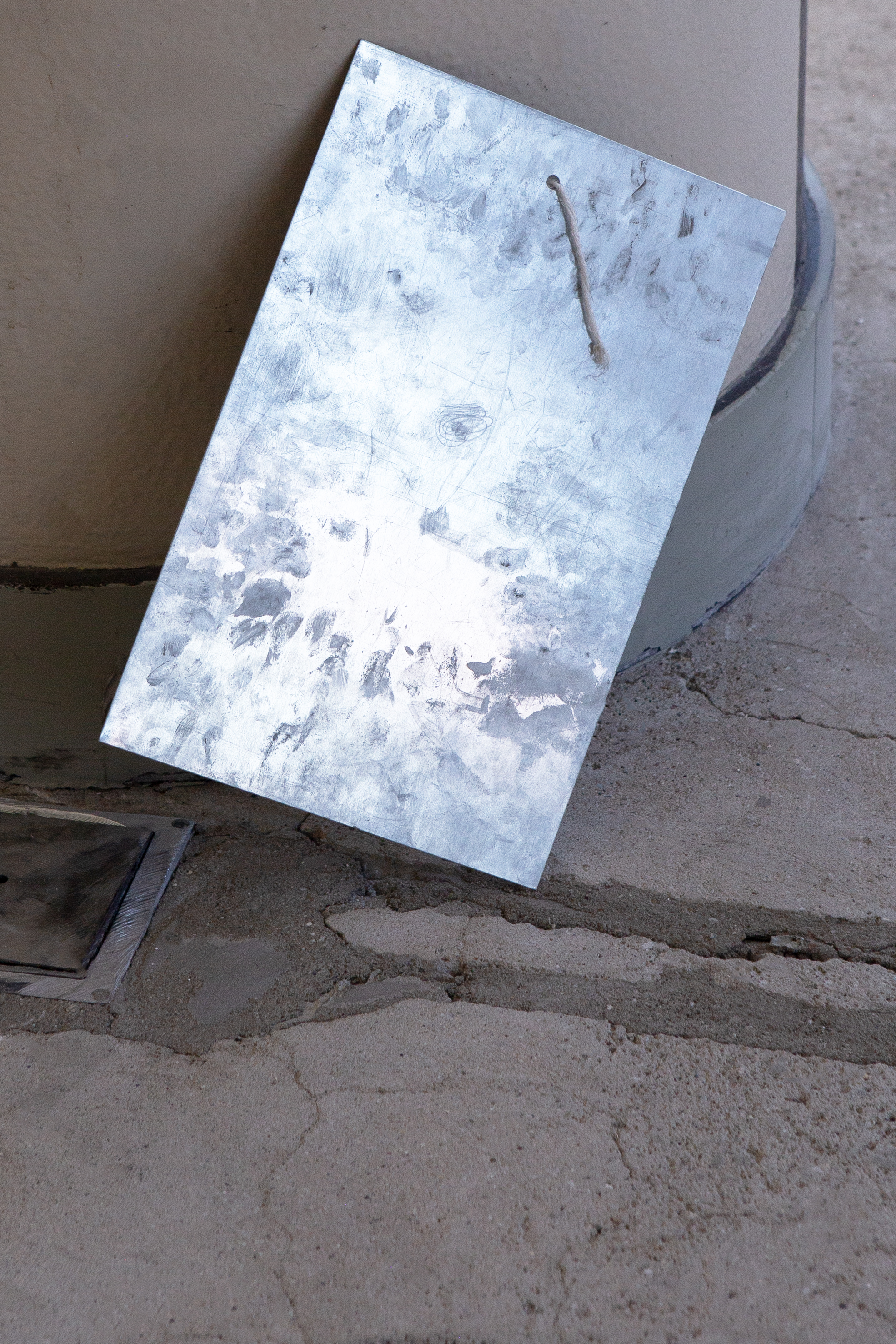
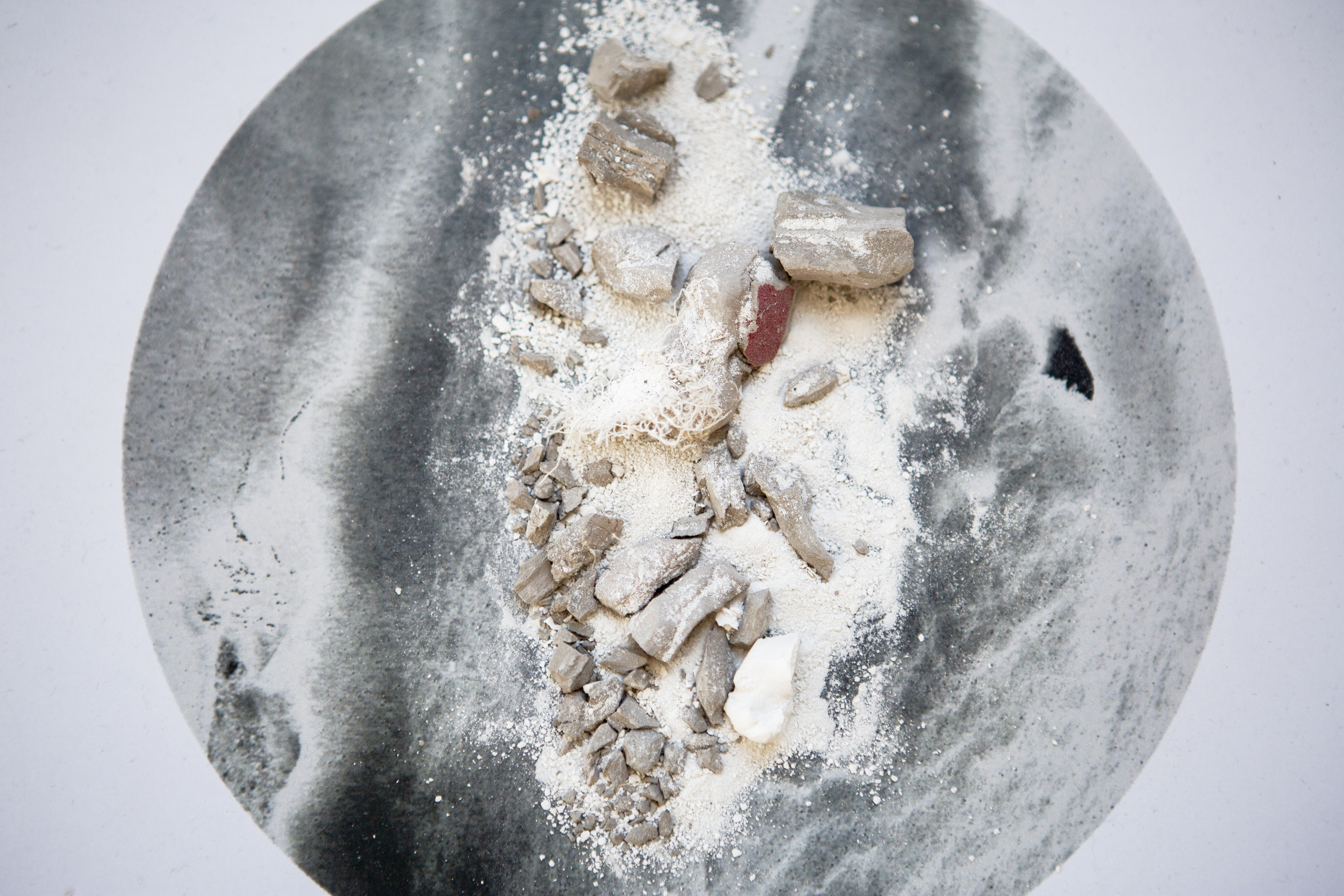


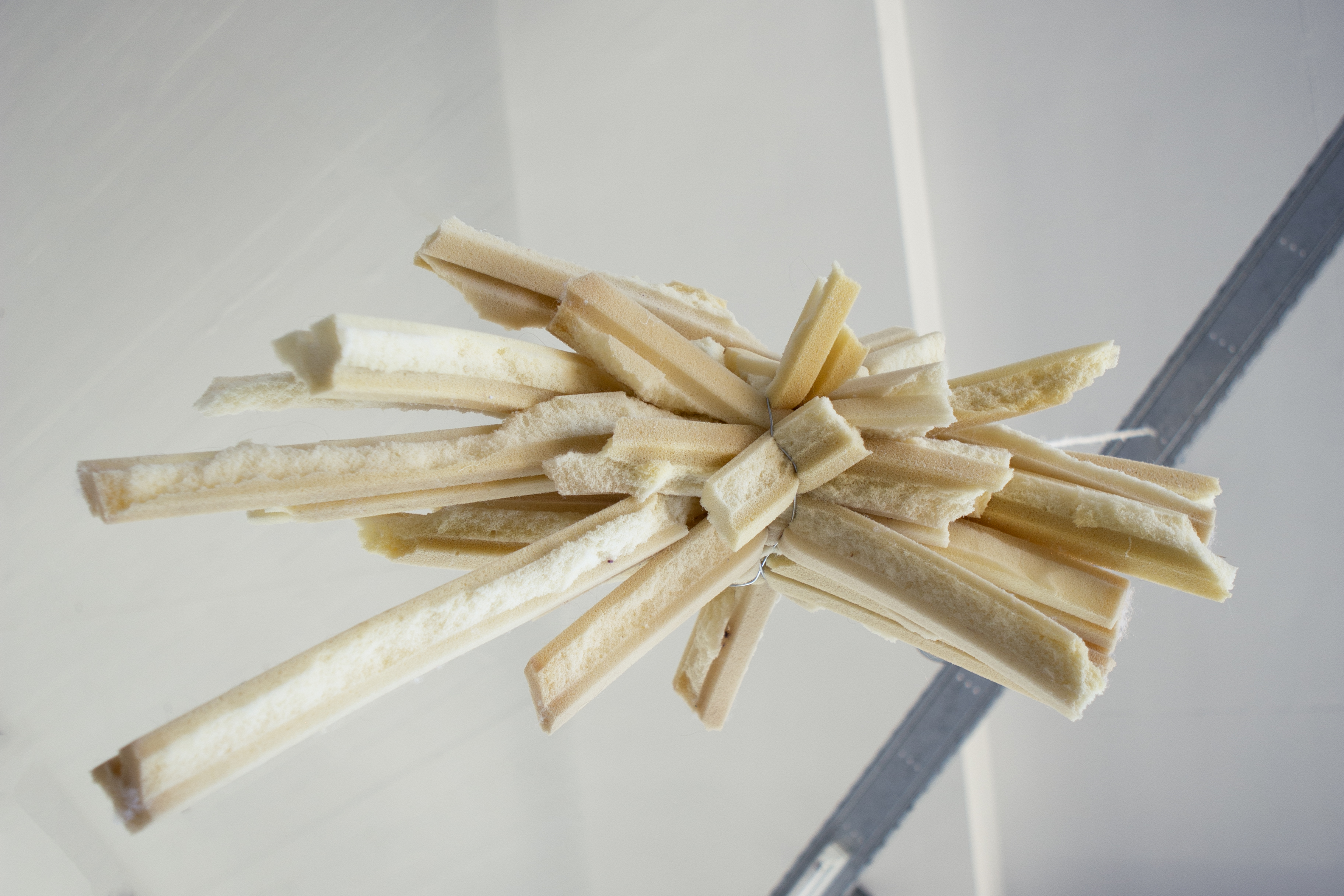

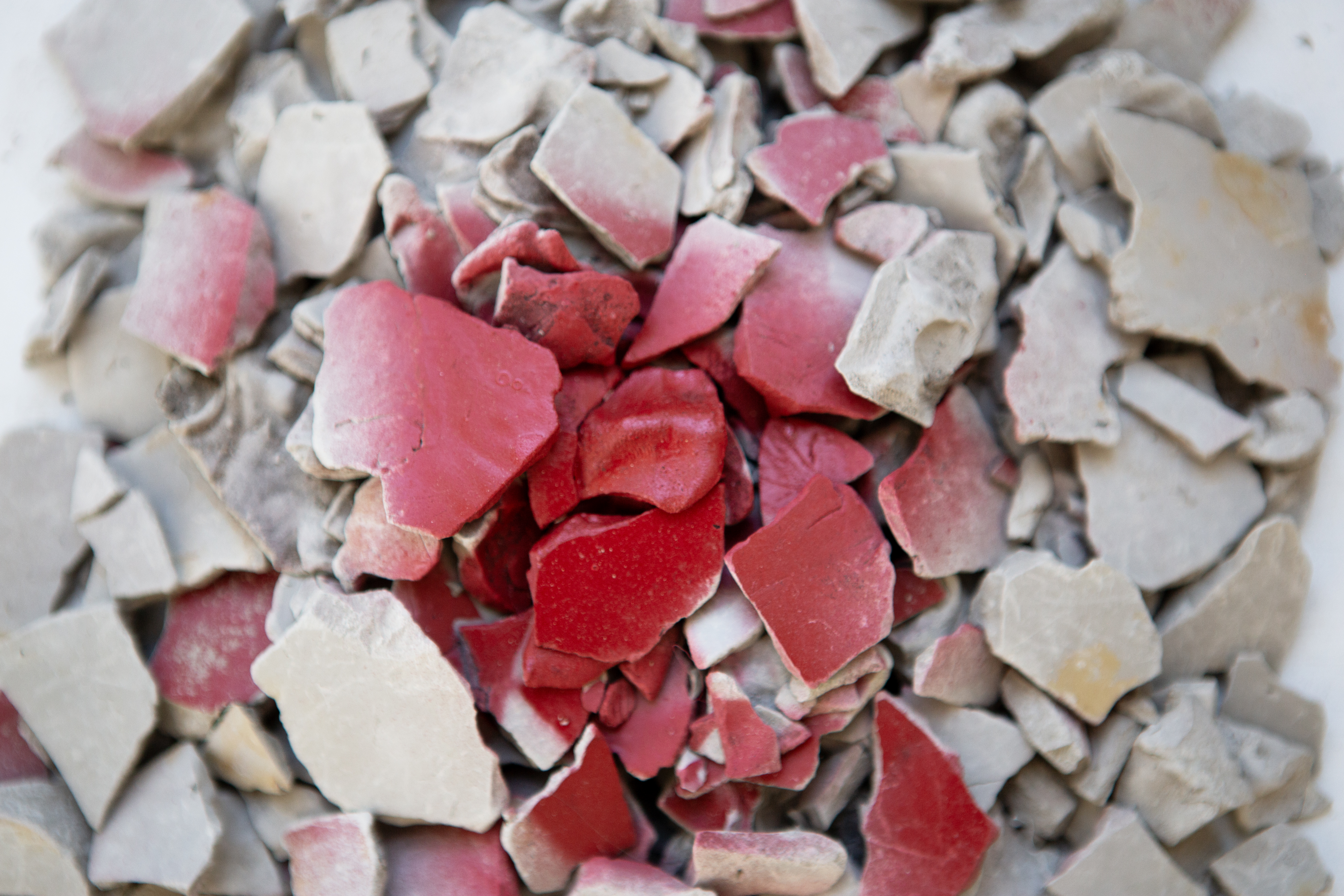
Deconstructed foam, dirt, human hair, medical scissors, tubes, bandage, clay, clay imprint, plaster remains, 3D print of my blood results, iron plates & bars, photographs, tiles (found in situ), red spray
Hoofdcentrale, Den Haag, The Netherlands
The
knife is cutting flesh.
I am
eating.
The
water is turning red. (1)
INCORPOREAL TRANFORMATION.
(...) After all, I have realized that I am conscious of the world through the pain and exhaustion of my body as well. It wants to exist, it becomes and creates, resisting the bracketing. The symptom of my body is a symptom of the previous bodies, and the ones before, their destinies delineated by the DNA structure, that cannot be disentangled, only lived through, understood via the punctum of the societal struggles produced by the social body itself. THE PERFORMANCE OF THE PHENOMENOLOGICAL REDUCTION. My body is the carrier of the message, the undeciphered clay of blood.
Excerpt from a research text, Archeology of the body
1 - Deleuze and Guattari, Thousand Plateaus, p. 15.
FOREWORD TO THIS PROJECT CAN BE FOUND HERE >